
Bessie Coleman: The First Black Woman Pilot
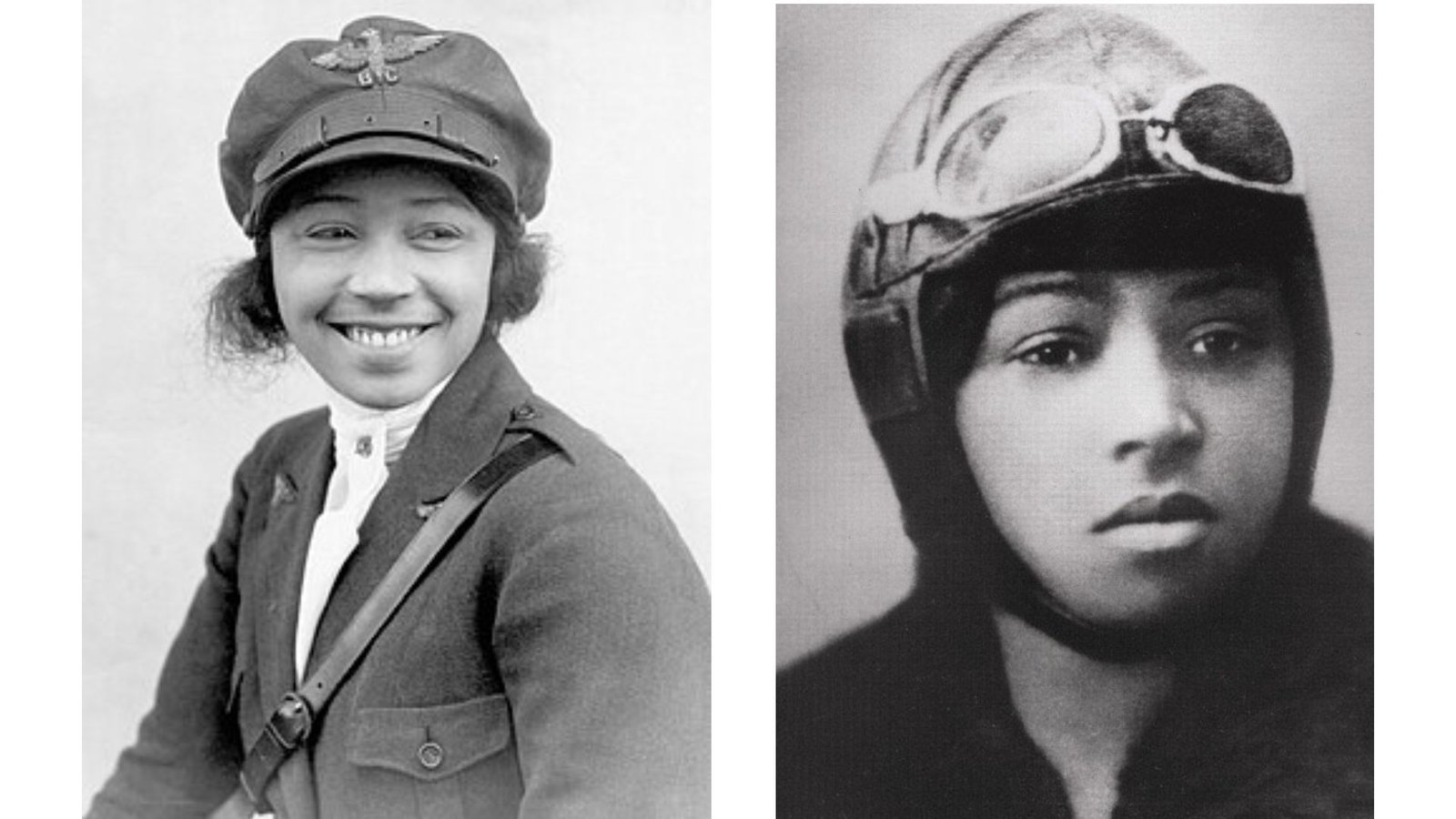
In the early 1900s, aviation was a world designed to exclude—especially Black women. Flying was considered dangerous, elite, and completely out of reach for anyone outside a narrow circle of white men. But Bessie Coleman refused to accept the limits placed on her life.
When the United States shut its doors, Bessie did what determined Black women have always done: she went where opportunity existed.
Her story is not just aviation history. It is Black history, women’s history, and travel history—all wrapped into one fearless life.
When America Said No, She Left the Country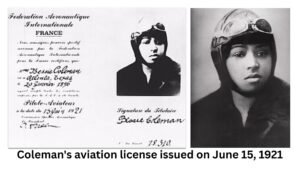
Bessie Coleman was born on January 26, 1892, in Atlanta, Texas, the daughter of formerly enslaved parents. Growing up, she worked in cotton fields, attended segregated schools, and learned early that ambition often came with resistance.
Her fascination with flying was sparked by stories she heard about pilots returning from World War I. But every flight school in the United States rejected her applications—not because she lacked intelligence or discipline, but because she was both Black and a woman.
So Bessie made a bold, uncommon decision for her time.
She learned French, saved her money, and traveled to France on her own. In June 1921, she earned her international pilot’s license from the Fédération Aéronautique Internationale, becoming the first Black woman in the world to do so.
For important historical context:
Bessie Coleman earned her pilot’s license five years before Amelia Earhart received hers in 1926—yet history books would remember one name far more loudly than the other.
Flying with Skill, Courage, and Conviction
When Bessie returned to the United States, she became a celebrated barnstormer, performing daring aerial stunts across the country. Crowds came to see her loop, dive, and soar—but Bessie was never just entertaining.
She was intentional.
Bessie refused to perform at airshows that enforced segregated seating. If Black audiences were denied equal access, she would not fly. At a time when silence often meant survival, Bessie chose principle over profit.
Her dream was not celebrity. It was legacy. She wanted to open a flight school for Black aviators so future generations would not have to leave the country simply to be trained, respected, or recognized.
The Tragic End of a Fearless Life
Bessie Coleman died on April 30, 1926, at just 34 years old, during a test flight in Jacksonville, Florida.
She was preparing for an upcoming airshow and was flying with her mechanic, William Wills, who was piloting the aircraft. Bessie was not wearing a seatbelt because she was leaning out of the cockpit to survey the terrain below—standard practice at the time, especially since she planned to perform a parachute jump during the show.
During the flight, the plane suddenly went into a steep dive, likely caused by a mechanical failure—later believed to be a wrench that jammed the controls. Bessie was thrown from the aircraft and died instantly. The plane then crashed, killing Wills as well.
She died preparing to do what she always did: fly with purpose.
Bessie Coleman’s legacy reaches far beyond aviation. Her life speaks directly to Black women who understand what it means to be overlooked, underestimated, and expected to stay in their place.
Her story reminds us that:
-
Travel has long been a pathway to opportunity for Black women
-
Global access has often been the key to education and dignity
-
Excellence does not guarantee recognition—but it still matters
Bessie didn’t just learn how to fly. She proved that sometimes you must cross oceans to rise above injustice. That courage, vision, and self-belief can carry you farther than permission ever will.
Her name deserves to be spoken clearly.
Her dates deserve to be remembered accurately.
And her legacy deserves its rightful place in history.
Because Bessie Coleman didn’t just soar through the sky—she cleared a path for generations of Black women to rise, travel, and claim space where we were always meant to be.