
Before Reviews, There Was The Green Book
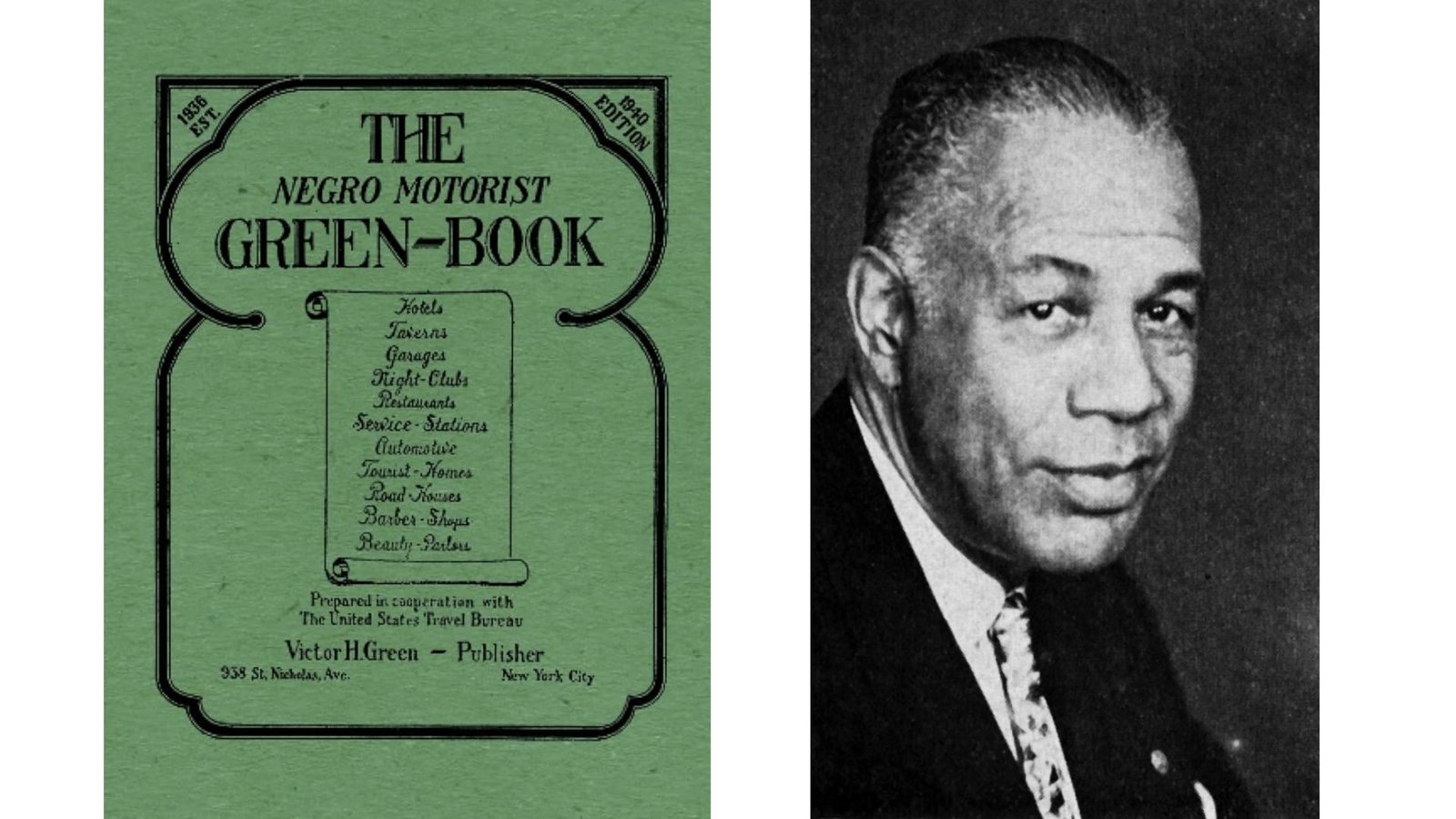
How Black Travelers Navigated America with Strategy and Strength
Today, we check reviews before we travel.
We compare star ratings.
We zoom in on neighborhoods.
We read comments about safety, service, and location.
But before Google.
Before Yelp.
Before TripAdvisor.
There was The Green Book.
And it wasn’t about convenience.
It was about survival.
What Was The Green Book?
The Negro Motorist Green Book was first published in 1936 by Victor Hugo Green, a Harlem postal worker who saw firsthand how difficult and dangerous travel could be for Black Americans during the Jim Crow era.
At that time, segregation was not just social — it was enforced by law across much of the country.
Black travelers could legally be:
-
Refused hotel rooms
-
Denied service at restaurants
-
Turned away from gas stations
-
Threatened or arrested
-
Forced out of towns after sunset
There were entire communities known as “sundown towns,” where Black people were not allowed to remain after dark.
Travel required planning that most Americans never had to consider.
Victor Green created a guide listing businesses that would serve Black travelers with dignity. If a hotel, restaurant, or service station appeared in The Green Book, it meant you could stop there safely.
At its peak in the 1940s and 1950s, the guide covered all 50 states and included locations in Canada, Mexico, Bermuda, and the Caribbean. It sold for 25 cents and was distributed widely, including through Esso gas stations — one of the few national companies willing to serve Black motorists.
By the early 1960s, more than 15,000 copies were sold annually.
This was not a niche publication.
It was a lifeline.
Travel Was a Strategic Act
For Black families, especially middle-class families traveling for work, college visits, church conventions, or vacations, road trips required precision.
Food was packed because restaurants might refuse service.
Gasoline was carried in cans because certain stations would not serve Black drivers.
Overnight stops were mapped carefully in advance.
Entire towns were avoided.
Getting stranded was not just inconvenient.
It could be dangerous.
And yet, Black families traveled anyway.
They dressed well for the journey.
They loaded children into the car.
They took pride in seeing the country.
They pursued opportunity, education, and joy — even within restriction.
Black travel has always required awareness.
And it has always reflected resilience.
This Is Living Memory
The Green Book was published from 1936 until 1967.
That means it existed during World War II, the Korean War, and the early Civil Rights Movement.
Some of our parents used it.
Some of our grandparents relied on it.
This is not distant history.
It is lived experience within reach of our own family stories.
In 1964, the Civil Rights Act outlawed segregation in public accommodations. Three years later, the final edition of The Green Book was printed.
Victor Green once expressed hope that the guide would become unnecessary.
Legally, it did.
But its significance remains.
Why It Still Matters
The Green Book was not about fear.
It was about information.
It was about preparation.
It was about knowing where you would be welcomed — and where you would not.
It represented a community sharing knowledge to protect one another.
That instinct has not disappeared.
Even today, many Black travelers still consider:
How will we be received?
What is the neighborhood like?
Is this place truly welcoming?
Those questions are not random.
They are rooted in history.
A Legacy of Informed Movement
The story of The Green Book reminds us that Black mobility has always been intentional.
Travel has never simply been leisure.
It has been education.
It has been opportunity.
It has been assertion.
It has been freedom exercised carefully and courageously.
Before five-star reviews and travel apps, there was a small green guide passed hand to hand, mile by mile.
It protected families.
It empowered travelers.
It preserved dignity on the open road.
And that legacy deserves not only remembrance — but respect.