
The Pullman Porters: How Black Men Changed Travel—and American History
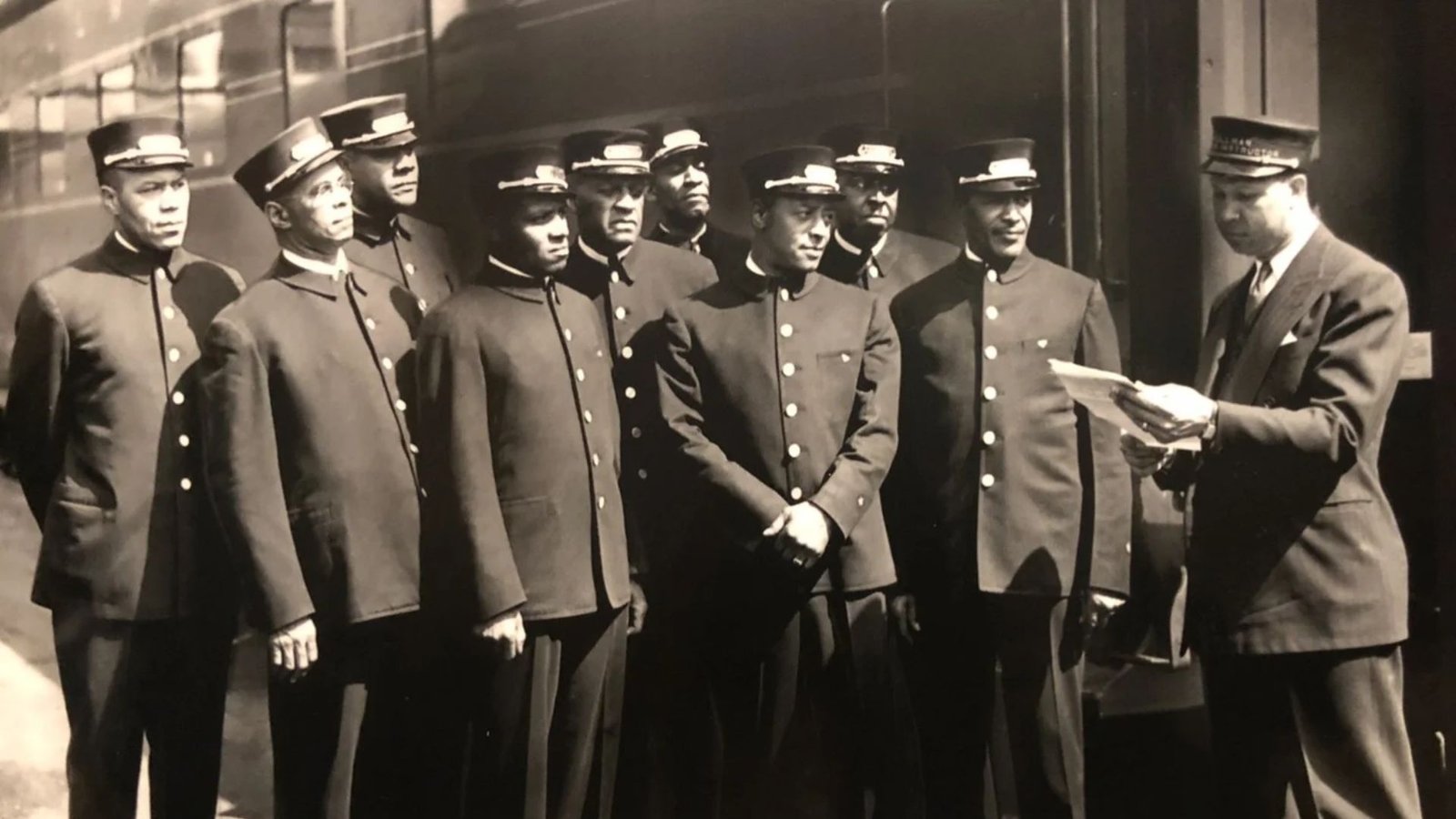
When Americans think about luxury train travel in the early 1900s, they often picture polished railcars, white tablecloths, and impeccable service.
What many don’t realize is that this experience was made possible by Black men whose labor, dignity, and quiet resistance reshaped both travel and civil rights in America.
They were called Pullman Porters—and their story deserves to be remembered.
Who Were the Pullman Porters?
Pullman Porters were African-American men employed by the Pullman Company to staff luxury sleeping cars on long-distance trains.
Their responsibilities were demanding: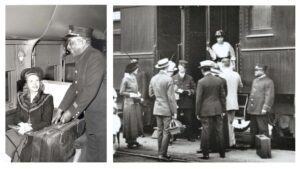
-
Carrying luggage
-
Preparing sleeping berths
-
Serving meals
-
Shining shoes
-
Assisting passengers at all hours of the night
They worked incredibly long shifts, often more than 20 hours at a time, for low wages—relying heavily on tips to survive.
Yet despite the conditions, these men were the face of professionalism in American travel.
More Than a Job—A Path to Opportunity
For many Black men in the early 20th century, becoming a Pullman Porter was one of the few jobs that offered steady income and the chance to travel.
This role allowed them to:
-
See parts of the country most Black Americans could not safely access
-
Build financial stability for their families
-
Gain exposure to news, politics, and ideas while traveling city to city
Porters often carried newspapers, shared information, and quietly connected Black communities across the country—long before social media or mass communication.
They became messengers of progress.
Organizing for Dignity
Despite their polished appearance, Pullman Porters endured racial discrimination, exhausting schedules, and little respect from management.
In 1925, that began to change.
Led by A. Philip Randolph, the Pullman Porters formed the Brotherhood of Sleeping Car Porters—the first Black labor union to be recognized by a major corporation.
After years of organizing and resistance, the Brotherhood won:
-
Higher wages
-
Shorter working hours
-
Greater job security
This victory didn’t just change working conditions—it proved that Black workers could organize, negotiate, and demand respect on a national stage.
Their Lasting Legacy
The Pullman Porters helped build America’s Black middle class.
Their success funded education, homeownership, and community leadership for generations that followed.
Many children of Pullman Porters went on to become:
-
Lawyers
-
Educators
-
Activists
-
Leaders in the Civil Rights Movement
Their influence stretched far beyond the railways.
Why This History Still Matters
Today, when we travel freely—by train, plane, or ship—we’re benefiting from a legacy shaped by people who weren’t always treated as equals but showed excellence anyway.
The Pullman Porters remind us that:
-
Travel has always been political for Black Americans
-
Representation and dignity matter
-
Progress often comes from those working quietly behind the scenes
This Black History Month, we honor the men who carried more than bags—they carried a movement forward.